Name the thing that needs protection
Quotezone’s courier information explains that courier motor arrangements and protection for goods being delivered have different purposes. Its van page separately warns that tools and carried goods are not usually included in standard van protection. These explanations are useful prompts, not findings about your documents.
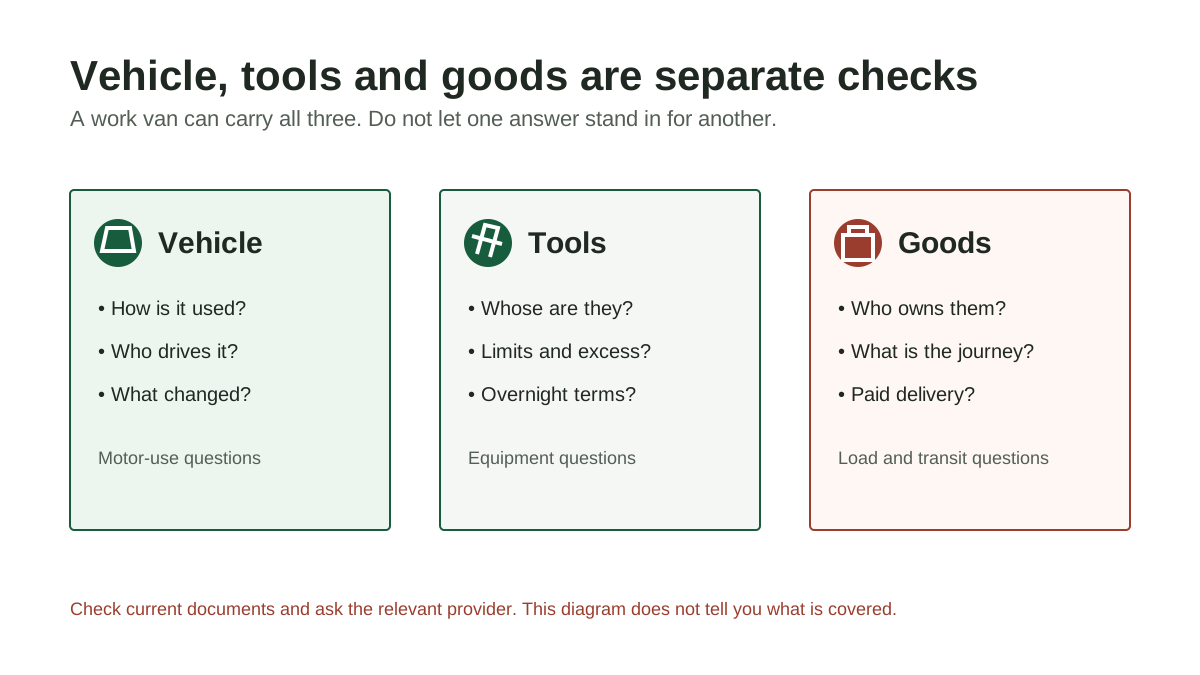
Distinguish work equipment from stock, materials supplied for a job and property belonging to customers. Explain whether items are hired, borrowed or owned by the business. The same van can contain several categories at once.
References for this section: Quotezone: Courier insurance (Commercial comparison service; affiliate relationship; reference link); Quotezone: Van insurance (Commercial comparison service; affiliate relationship; reference link). References to official guidance or other insurers are not paid placements.
Use the maximum load and the real journey
Ask the provider what value and goods description it needs, and how limits apply. A typical small load may not describe a larger collection or delivery day. Explain loading, unloading, overnight stops and where goods might be unattended.
Check exclusions and contractual responsibilities. If a customer asks for “goods in transit”, ask exactly what evidence and responsibility they mean. A customer’s phrase does not prove that a particular policy matches the contract.
References for this section: Quotezone: Courier insurance (Commercial comparison service; affiliate relationship; reference link). References to official guidance or other insurers are not paid placements.
Confirm motor use independently
Protection for the goods does not decide whether the van’s use is correctly described. If you transport third-party goods for payment, explain that activity separately to the motor provider. If you deliver your own sales, explain the ownership, purpose and payment arrangement.
Keep the answers about goods and motor use in separate notes so one does not silently stand in for the other. Our checklist creates those questions; it does not recommend purchasing an additional policy.
References for this section: Quotezone: Courier insurance (Commercial comparison service; affiliate relationship; reference link); Direct Line for Business: Van insurance (One insurer product source, not a market-wide rule; reference link). References to official guidance or other insurers are not paid placements.
Working list
- Separate vehicle, work tools and carried goods.
- Describe ownership and the actual goods.
- Ask how value limits and excesses apply.
- Check loading, unloading and unattended periods.
- Confirm motor use and any customer contract separately.
What this does not establish
No document has been matched to your load or contract. Only the provider and relevant policy documents can confirm the particular protection and conditions.
Sources and scope
- Quotezone: Courier insurance (Commercial comparison service; affiliate relationship; reference link) Used for: Who needs courier delivery insurance?; courier and goods in transit. Source text reviewed 8 October 2026.
- Quotezone: Van insurance (Commercial comparison service; affiliate relationship; reference link) Used for: What details do I need?; social and commuting; tools and equipment. Source text reviewed 8 October 2026.
- Direct Line for Business: Van insurance (One insurer product source, not a market-wide rule; reference link) Used for: What is van insurance?; changes; details before a quote; adding drivers. Source text reviewed 8 October 2026.
Quotezone is an affiliate partner and a commercial source. Official guidance and other provider references are not paid placements or endorsements. Product pages are not independent legal or market-wide evidence.